Enchanting Watercolor Blueberry Wreaths for Elegant Design
There is a timeless romance captured in the delicate wash of watercolor, a gentle softness that instantly evokes warmth and artisanal charm. When this classic painting technique is combined with the lush, rich tones of nature—specifically the deep blues and vibrant greens of a blueberry harvest—the result is a design asset that feels both luxurious and refreshingly organic. Imagine the perfect circular composition of a wreath, not just as a frame, but as a storytelling device. This specific aesthetic, featuring bilberry twigs and fresh berries against a crisp white background, offers a sophisticated yet approachable visual language that is currently dominating the worlds of wedding stationery, branding, and digital media.
The Visual Appeal of Botanical Illustration
What makes this particular style so captivating is the interplay between structure and fluidity. A wreath is inherently symmetrical and structured, providing a reliable framework for design, but watercolor is unpredictable and flowing. When you combine the two, you get a dynamic tension that draws the eye. The blueberry elements add a pop of unexpected color—moving away from the traditional pinks and greens of standard floral clipart—allowing your designs to stand out with a moody, elegant flair.
For designers and entrepreneurs, the value of high-quality botanical clipart cannot be overstated. It serves as the foundation for a cohesive visual identity. However, generic stock imagery often lacks the nuance required to convey a premium brand message. This is where the texture of watercolor shines. The slight bleed of pigment, the varying opacity of the leaves, and the realistic rendering of the berries provide a level of detail that flat vector graphics simply cannot achieve. It adds a human touch to digital projects, suggesting that a real artist was involved in the creation of the product or brand.
Practical Applications for Modern Creatives
The versatility of a well-crafted watercolor wreath extends far beyond simple decoration. It is a functional tool for visual communication. Because the assets are provided as high-resolution PNG files with transparent backgrounds, they become "plug-and-play" elements for a variety of mediums.
Consider the impact on branding and logo design. For businesses in the wellness, beauty, or artisanal food sectors, a blueberry wreath frames a brand name with an air of natural purity. It suggests freshness and quality without a single word of copy. Similarly, in packaging design, these elements can be used to create label wraps or box inserts that feel luxurious and gift-worthy.
For those in the digital space, the applications are equally robust:
- Social Media Graphics: Use the wreath as a frame for Instagram quotes, sale announcements, or profile highlights to maintain a consistent aesthetic feed.
- Website Headers: A subtle wreath in the corner of a landing page or around a "Welcome" message softens the digital interface and makes the user experience feel more inviting.
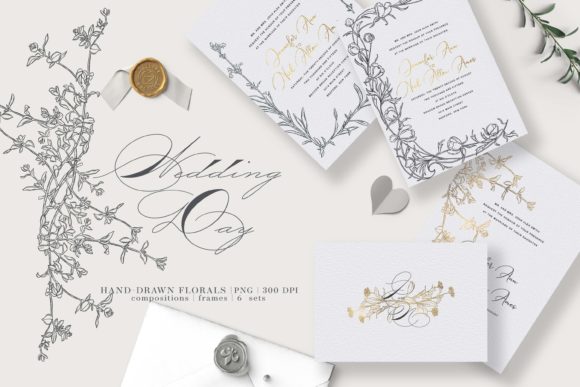
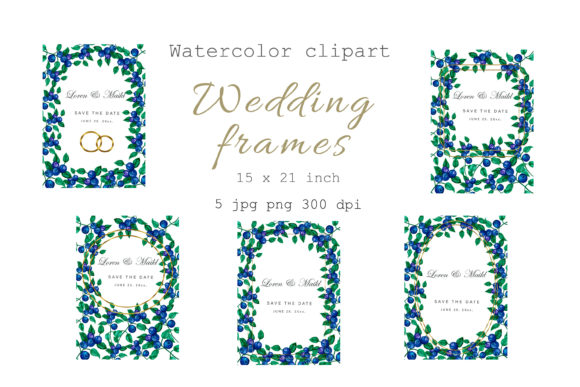
- Wedding and Event Stationery: This is perhaps the most natural fit. The "Watercolor Wedding Frame" aesthetic is perfect for invitations, save-the-dates, menu cards, and place settings. It offers a romantic, garden-party vibe that is highly sought after.
- Editorial Layouts: Bloggers and magazine designers can use these elements to break up text blocks, highlight pull quotes, or frame chapter headings, adding visual interest to long-form content.
Integrating Artistic Assets into Your Workflow
One of the biggest hurdles in using design assets is ensuring they integrate seamlessly into your existing projects. The key to utilizing these digital files effectively lies in understanding the file formats and dimensions. With assets sized at approximately 15x21 inches at 300 dpi, you have the flexibility to scale them down for business cards or scale them up for posters without losing clarity. The transparent background is crucial here; it allows you to layer the wreath over textures, photographs, or solid color blocks without the hassle of masking or clipping paths.
When incorporating such detailed botanical elements, balance is essential. If your project involves heavy text, such as a poster or a brochure, the wreath should serve as a frame or a border, leaving the center clean for readability. If you are creating a logo or a monogram, the wreath acts as the container, so the typography inside needs to be legible and bold enough to stand out against the intricate leaves and berries.
Furthermore, consider the emotional resonance of the color palette. The deep indigo of blueberries pairs beautifully with soft creams, golds, and muted greens. Using these complementary tones in your typography and background colors will unify the design. For example, pairing the watercolor wreath with a clean, modern serif font creates a striking contrast between the old-world charm of the illustration and the contemporary crispness of the text. Conversely, using a flowing script font enhances the romantic, whimsical nature of the watercolor art.
Elevating Your Creative Projects
Ultimately, the goal of any design asset is to save time while improving the quality of the final output. Instead of spending hours painting and scanning your own botanicals, or settling for low-quality stock images, having a library of professional, high-resolution watercolor elements allows you to focus on the composition and message of your work.
This specific collection of blueberry and bilberry illustrations offers a fresh take on floral design. It moves away from the overused tropes of generic flowers and introduces a texture that feels rich and sophisticated. Whether you are a small business owner looking to revamp your product packaging, a content creator seeking to beautify your blog, or a designer working on a bespoke wedding suite, these assets provide the perfect blend of nature, art, and digital utility. By thoughtfully applying these wreaths, you transform a simple project into a polished, professional piece of visual communication.